BUSINESS PROCESS AUTOMATION
Goodbye copy & paste. Hello automation. From workflow management and performance optimization to machine learning. The entire spectrum of business process automation.

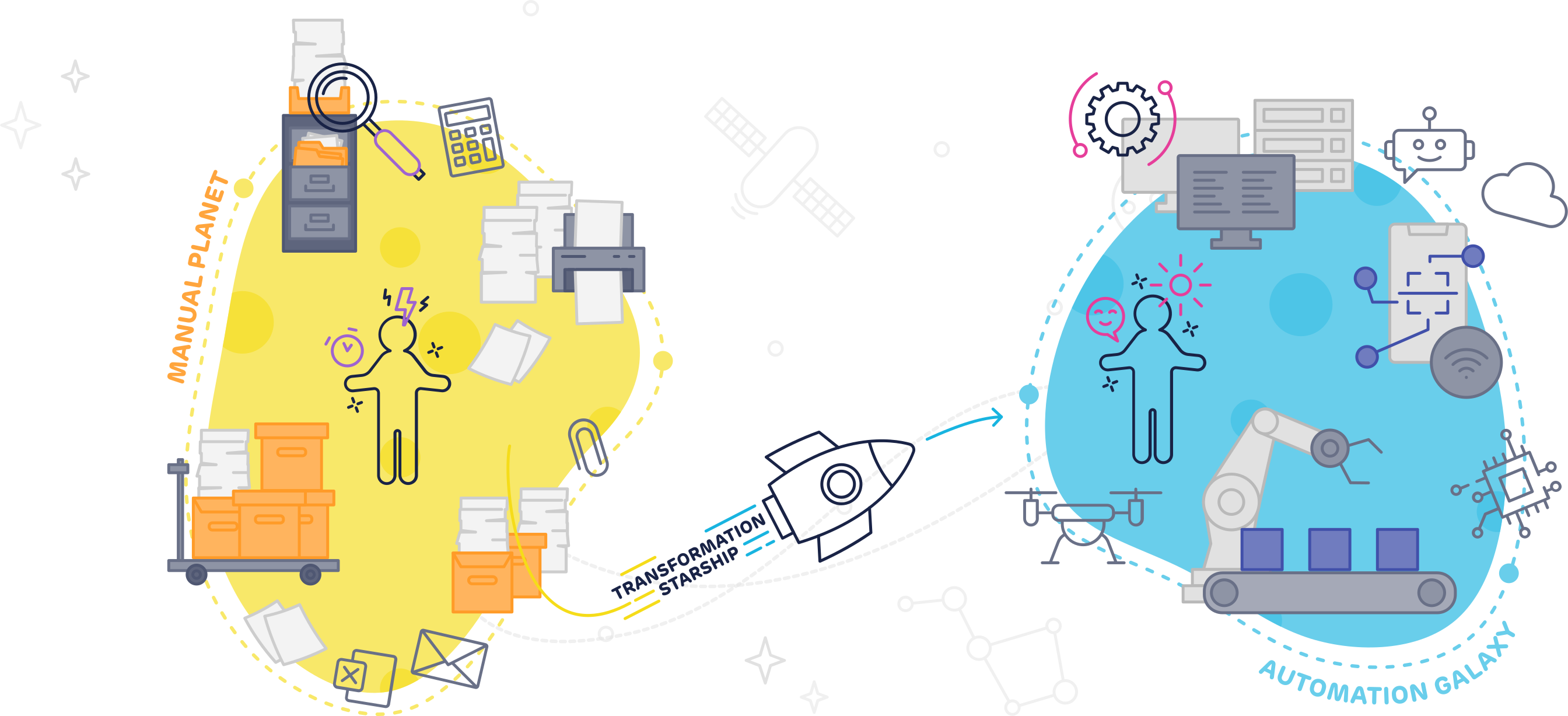
How do we proceed?
What exactly can we do for you?

Inventory and analysis of current processes
We analyze your existing business processes to identify potential for optimization and automation.

Manual business processes are checked for automation capability
We check which of your manual processes can be automated using modern software solutions.

Development of individual software to support and enable process automation
We develop customized software solutions that make your business processes more efficient and automatable.

Automation and documentation of business processes with Business Process Management (BPM)
We use BPM methods to automate and document your processes for transparent and scalable workflows.

Hosting, operation and maintenance of individual BPA software solutions
We take care of the hosting, smooth operation and maintenance of your customized BPA solution so that you can concentrate on your core business.

Integration of existing systems and data sources into automated workflows
We seamlessly connect your existing systems and data sources with the new automated processes to ensure an efficient and smooth flow of information.
Customer examples


Our customers
„The devsuit team's expertise in app development and their advice in the areas of web technologies and interfaces has convinced us time and again and ensured successful project work.“
Martin Jablonski-Zimare, Managing director of ideenmanufaktur
OUR SERVICES, TAILOR-MADE FOR YOU
Get in touch with us
Do you have any questions or suggestions? Send us a message and we will get back to you.

PROCEDURE OF BUSINESS PROCESS AUTOMATION

Inventory & analysis


Conception & design of the automation solution

Development & implementation

Operation, monitoring & optimization
And how can we support you?
Certified know-how
CONTACT OUR TEAM
We are your partner for customized software and IT solutions based in Berlin. You are welcome to arrange a non-binding initial consultation with us. We look forward to your project!
Write a message Call nowWhat are the benefits of automating business processes?
Optimized workflows
Business process automation enables companies to streamline their workflows and free their employees from time-consuming tasks. This allows employees to focus on more important tasks, such as developing new products and services or strengthening customer relationships.
Improved collaboration
Business process automation can also help improve collaboration between different departments within a company. Automated processes enable faster and more efficient information sharing between departments, leading to a smoother workflow. Through better collaboration, companies can also respond more quickly to market changes and capitalize on new business opportunities.
More security
Another benefit of business process automation is the reduction of the risk of tampering. Automated processes enable better control and monitoring, which minimizes the risk of fraud and misuse. By implementing security measures such as password protection, access restrictions, and automated validation checks, companies can better protect their data and processes.
Reduced compliance risks
Automated processes are only possible through standardization and normalization, which enable companies to reduce the risk of violating legal requirements or compliance rules. Automated processes thus ensure that actions take place only within defined limits and facilitate better monitoring and documentation of business activities, making it easier to comply with laws and regulations.
Time saving
Workflows that have traditionally been performed manually, or tasks that are only partially automated, consume time and energy and are prone to errors. Free up more time for creative thinking and the further development of your product!
Lower costs
Automated processes help your company reduce costs. The greatest potential for savings lies in optimizing your workflows—whether within your company or with your partners or customers—eliminating tasks that were previously performed manually, and addressing individual errors.
Examples of business process automation
Automating business processes: Chatbots in customer service
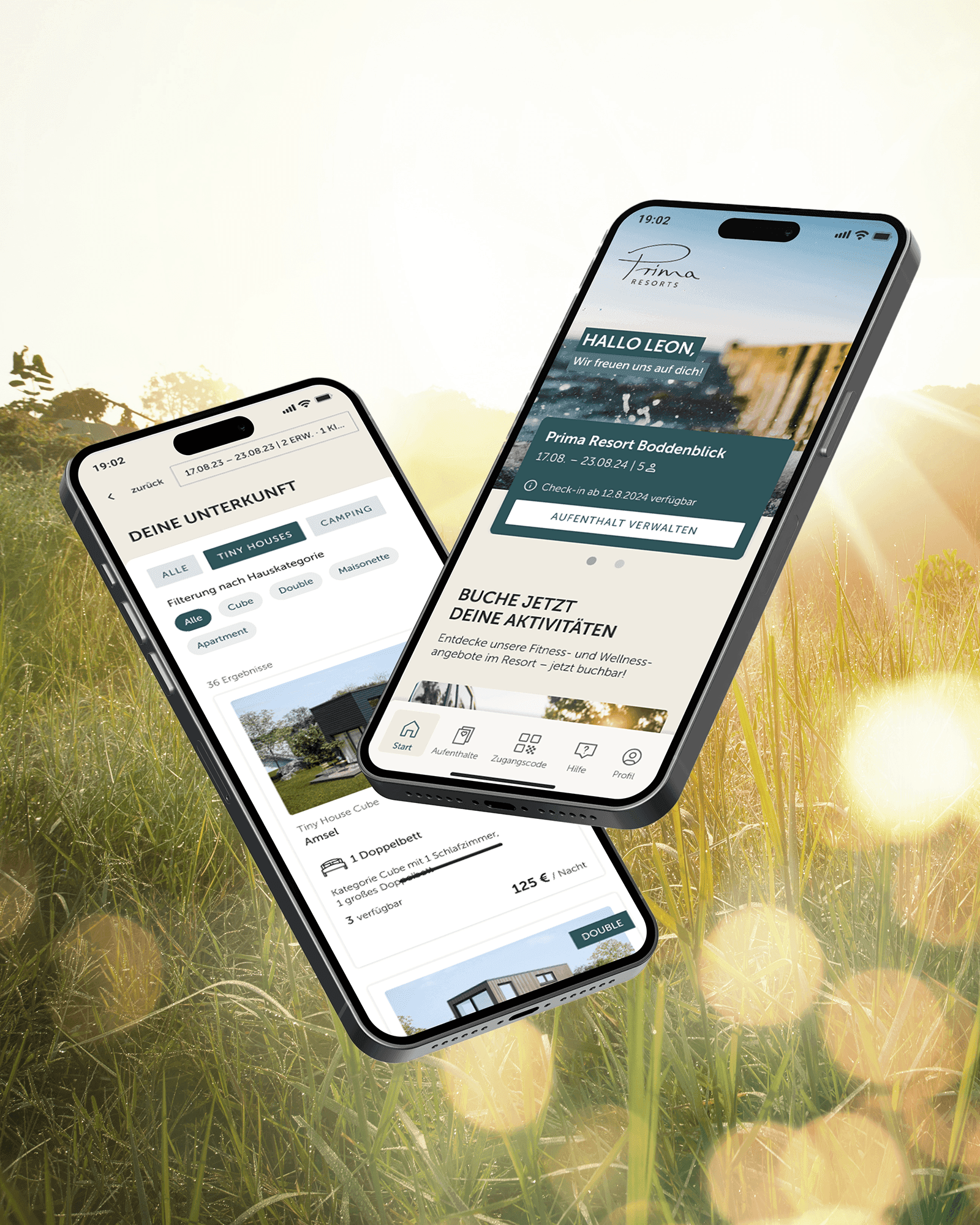
One potential use case for automating business processes is the use of a chatbot to automate communication with customers. A chatbot uses artificial intelligence to automatically respond to user inquiries. In general, chatbots are based on algorithms that rely on natural language processing (NLP) and machine learning. An AI-powered chatbot can be used in various areas, such as customer service, sales, or marketing. By automating simple inquiries using technology, companies can reduce the workload on their employees and cut costs. Chatbots can also help increase customer satisfaction by providing quick and accurate responses to inquiries. The devsuit team is currently working on implementing a chatbot for the mobile app of our client PRIMA-Resorts. With the help of the bot, some of the communication processes are being standardized and automated. The result: satisfied customers and relieved employees.
Business process automation through the networking of IT systems
Connecting previously separate IT systems offers companies the potential to optimize their workflows and automate business processes. By integrating data from various sources, companies can gain better insights into their business processes and customer needs, optimize workflows, and increase their efficiency. This leads to higher customer satisfaction and competitiveness. Additionally, the integration of IT systems can help simplify and optimize a company’s processes, thereby accelerating the workflow. Business process automation can reduce manual tasks and relieve employees of time-consuming duties. This allows them to focus on important tasks, such as developing new products and services or expanding customer relationships. Through consulting and development, devsuit contributes to the integration of existing and new software components in all projects. In doing so, we increase the efficiency of our clients’ processes. Learn more about the systematic integration of systems through [interface programming]( ), the technologies used in this process, and our references.
Media management with AI: automating technical processes
By leveraging artificial intelligence, and image recognition technologies in particular, companies can automatically analyze images and extract useful information from them. For example, images can be automatically checked for quality, size, and color. This opens up a wide range of use cases for AI-powered image processing. In medicine, for example, images can be automatically analyzed to detect diseases or track the progress of a treatment. Most image recognition technologies are based on deep learning algorithms trained on large datasets of images. Examples include Google Vision and Amazon Rekognition. devsuit uses AI-powered media processing in several projects. Our development team is currently working for our client Bastuck GmbH & Co KG on the automatic recognition of part numbers in technical drawings. The result: automated linking to the online store with product details and ordering options, thereby creating a seamless customer experience. For Cornelsen Verlag, our team designed a system for the automatic detection of duplicate images based on a database of several million assets. The goal: optimized procurement management through process automation.
Business process automation in contract and license management
When business processes are automated, the automation of contract and license management processes is a common use case. Process optimization is particularly helpful in standardizing document and delivery management. Through automation technologies, companies can ensure that all their contracts, licenses, and other assets are created and managed according to uniform standards, which minimizes the risk of errors and irregularities. Business process automation in contract and license management can also help increase efficiency and relieve employees of time-consuming tasks. By automating recurring tasks such as managing contract deadlines or tracking license usage, employees can devote more time to higher-value tasks such as developing new products and services or improving supplier relationships. In several phases, devsuit developed a web-based application for our client Cornelsen to standardize the creation and management of supplier contracts and to automate compliance checks for license agreements and publications. We integrated the application into existing business processes to close gaps and create synergies. For our client d-education, our team developed middleware between the learning management system and the ERP to automatically process licenses and synchronize them across multiple involved software systems.